Insights & Perspectives
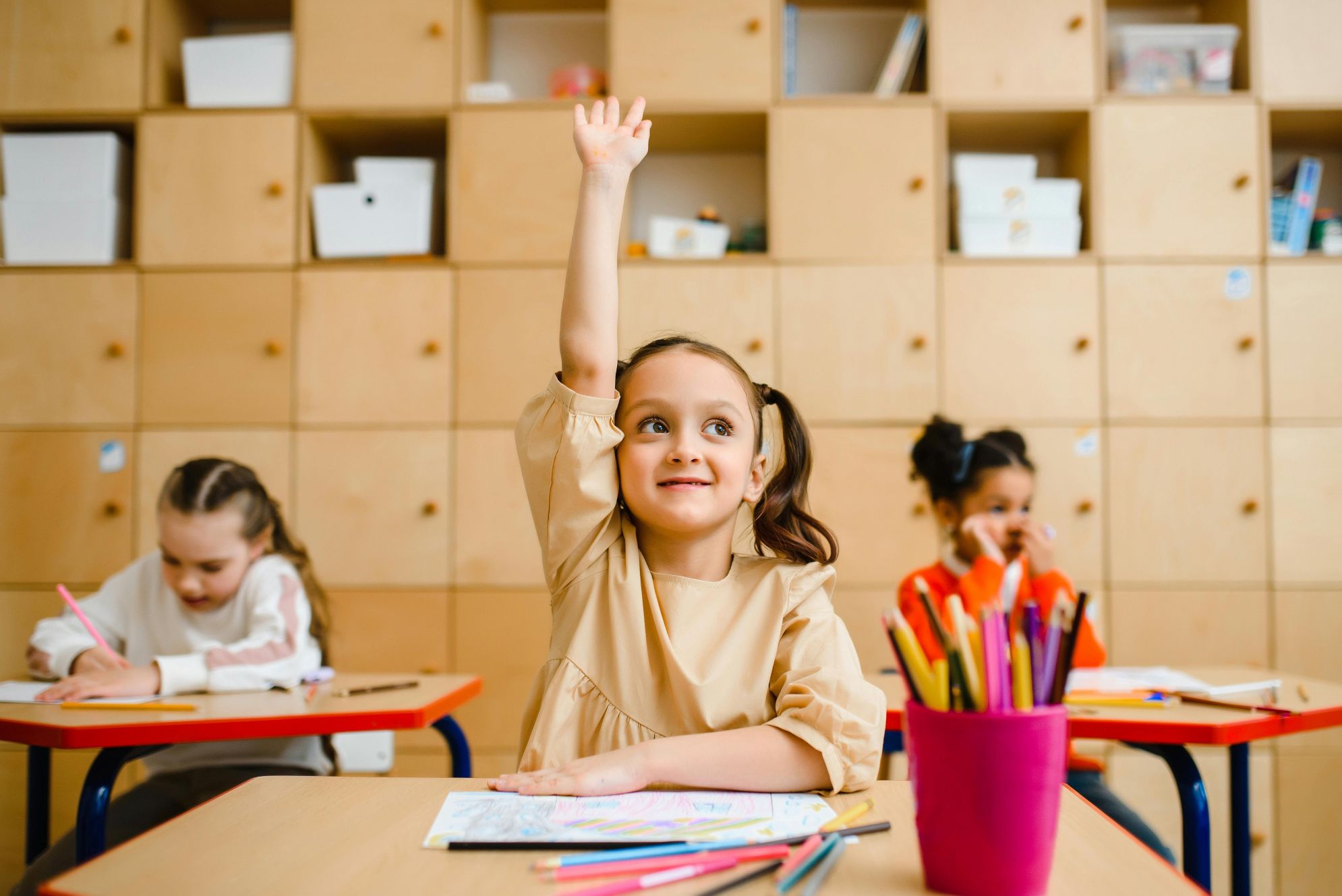
Empowering Girls Early: The Most Powerful Strategy for Transforming Societies
By Dr Malini Saba
I have spent most of my life visiting communities where girls are often the last ones to be asked what they want. In a village near Jorhat, a young girl once told me she walked eight kilometres every day just to attend school. In Tanzania, a group of teenage girls I met proudly showed me the small vegetable garden they built together so they could pay for exam fees. And in Peru, a mother described how her daughter becoming the first girl in the family to finish high school changed the way every younger cousin saw their own possibilities.
These stories stay with me because they show something very simple. When a girl receives support early in life, her world opens up. And when enough girls experience that shift, the entire community begins to look different.
This isn’t a sentimental belief. People like Michelle Obama, Malala Yousafzai, Graça Machel, Kailash Satyarthi, and so many grassroots workers such as Shabana Azmi, Vrinda Grover, and the educators at Pratham and Room to Read have been saying the same thing for years. Empowering girls early is one of the most practical ways to rebuild societies that want stability and long-term growth.
Why early matters so much
I remember asking a group of teachers in Kerala what difference they noticed when girls were encouraged from primary school onwards. One of them said something I will never forget:
“When a girl believes she is allowed to dream at ten, she refuses to shrink at twenty.”
That mindset alone changes outcomes. Girls who stay in school longer delay marriage, contribute to family income, and raise healthier children. UNICEF, the World Bank, and countless field studies have shown this repeatedly, but you don’t need a report to believe it. Just look at nations that invested early – Rwanda’s leadership programmes for girls, Bangladesh’s school stipend schemes, and Vietnam’s push for equal education – all of them reshaped their social landscape within one generation.
Families feel the change first.
Whenever I meet mothers who proudly talk about their daughters’ education, I can see the ripple effect in real time. A girl who finishes school teaches her younger siblings. She becomes financially steady sooner. She invests back into her home, not because statistics suggest it, but because she wants her family to rise with her.
In many households I have visited, the moment a girl begins earning, everything stabilises. Younger children stay in school. Healthcare improves. Families begin planning for the future instead of just surviving the present.
Communities shift quietly but powerfully.
When girls participate in village meetings, or when they run small cooperatives, the behaviour of entire communities transforms. Early marriage rates fall. Local crime rates drop. You start seeing more women entering spaces that were once entirely male.
In Nepal, a young group called “Her Turn” began training girls in leadership and digital literacy. Ten years later, some of those same girls are running local enterprises and community offices. In Colombia, Fundación Juanfe saw teenage mothers break cycles of poverty simply because someone believed in their potential during adolescence.
These examples are not grand headlines. They are everyday transformations, but they add up.
It is also smart economics.
Even the most pragmatic economists will tell you that empowering girls is not charity. It is strategy. When girls grow into educated, capable women, countries earn more, innovate more, and spend less on preventable social problems.
Think of leaders like Ngozi Okonjo-Iweala, Dr Soumya Swaminathan, Indra Nooyi, and Gita Gopinath. Every one of them had opportunities early in life that shaped them into the forces they are today. Their stories reflect what millions of girls could do if given the same chance.
What needs to happen next?
Governments cannot treat girls’ empowerment as an add-on to development budgets. It must be woven into education, healthcare, digital skilling, and safety frameworks. Families must move away from raising daughters to simply be obedient and instead raise them to be thinkers, earners, and leaders. Communities must build spaces where girls feel safe to speak and safe to fail.
I’ve seen change happen in places that once felt completely resistant. It begins with one girl. One bicycle. One scholarship. One mentor. One parent who says yes instead of no.
The future depends on the girls standing in front of us today.
Whenever I meet a young girl who has just discovered her own confidence, I see a glimpse of the society we could build, a society that is more compassionate, more stable, and far more prosperous.
If we truly want nations to rise, the answer is right in front of us.
Give girls the chance early. Give them the tools, the safety, the education, and the encouragement.
A girl allowed to grow becomes a woman who lifts everyone with her.
And that, more than anything else, is how societies transform.